Neurosurgery

Practical emergency medicine

Subscribe For FREE Regular Updates In Your Inbox.

Get notified on all upcoming Conferences PLUS our Webcasts, Education Newsletters, & more!
  • This field is for validation purposes and should be left unchanged.

Filter

AllABCD2abcd3-IAmaurosis fugaxanti epilepticsaphasiaATACH 2Barre's Signbase of skull fracturebell's palsybenzodiazepines for seizuresbitemporal haemianopiabitemporal hemianopia inpregnancyblood pressure controlbrainstem deathbrown squared syndromecarotid artery dissectioncavernous sinus thrombosiscerebellar driftcerebellar examcerebellar reboundCerebral venous Thrombosiscervical artery dissectionclinical findings cerebral venous thrombosisclot retrievalCN IIICN IVCN VIcomplex cranial nerve palsies.ConSEPTConversion disorderconvulsive status epilepticuscord signcorticospinal tract signscranial nerve III palsycranial nerve IV palsycranial nerve palsycranial nervesCT angiographyCTADAWN Trialdelta signdiplopiaEcLIPSEempty delta signESRestablished status epilepticuseyefacial nerve palsyfacial painGABA receptor internalisationgiant cell arteritisHead injury in childrenheadacheHearing losshemiparesisHorner's Syndromehypertensive bleedidiopathic hearing lossINTERACTintracranial hemorrhagejaw claudicationischaemic penumbralateral medullary syndromeleg weaknesslevetiracetamlocked-in syndromeLPlumbar puncturemagnesiummidazolammidazolam for seizuresneuro pearlsneurological examinationneuroprotectiveNMDA receptorNORSEoculocephalic reflexoculosympathetic palsypaediatric securespainless visual losspapilloedemaPECARN RulesphenytoinPICA syndromepituitary adenomaPronator driftproprioceptive driftpseudotumor cerebrapseudoseizureraised intracranial pressureRamsay Hunt syndromerefractory seizuresrefractory status epilepticusrevascularisationrisk factors cerebral venous thrombosissagittal sinus thrombosissahseizuressensorineural hearing losssensory levelsentinel bleedsigmoid sinus thrombosisspectrophotometryspinal cord infarctionstatus epilepticusstraight sinus thrombosisstrokesubarachnoid haemorrhagesubarachnoid hemorrhagesudden headachesudden headache in cerebral venous thrombosissudden hearing losssuper refractory status epilepticussuper refractory seizurestemporal arteritistemporal artery biopsytemporal headachethrombaectomythunderclap headacheTIATransient Ischaemic Attacktransverse myelitistransverse sinus thrombosistrigeminal neuralgiaupward thumb signvalproatevalproic acidvertbral artery dissectionwallenbergs syndromewarning leak headachexanthochromiaNeurosurgery
templates-for-em-mastery-5
A Patient with Sudden Right Temporal Exertional HeadacheBlogNeurology/NeurosurgeryUncategorized

A Patient with Sudden Right Temporal Exertional Headache
A 48 yo patient presents to the emergency department with a complaint of a sudden…
Kaleidoscope Vision
A Patient with Kaleidoscope Vision, and how to use the Pronator Drift and Mingazzini SignsBlogNeurology/Neurosurgery

A Patient with Kaleidoscope Vision, and how to use the Pronator Drift and Mingazzini Signs

The New EM Mastery Site going Live January 29th In this Clinical Cases Podcast we…
medical education
21 Valuable lessons from a recent EMCORE ConferenceBlog

21 Valuable lessons from a recent EMCORE Conference

As part of my learning and review process, I took time to just recount some…
emergency medicine fellowships
Low Energy Blunt Trauma in the Elderly: Who needs a CT Brain?BlogNeurosurgery

Low Energy Blunt Trauma in the Elderly: Who needs a CT Brain?
Here’s a patient presentation, I have residents and registrars discuss with me frequently. An elderly patient…
emergency medicine department
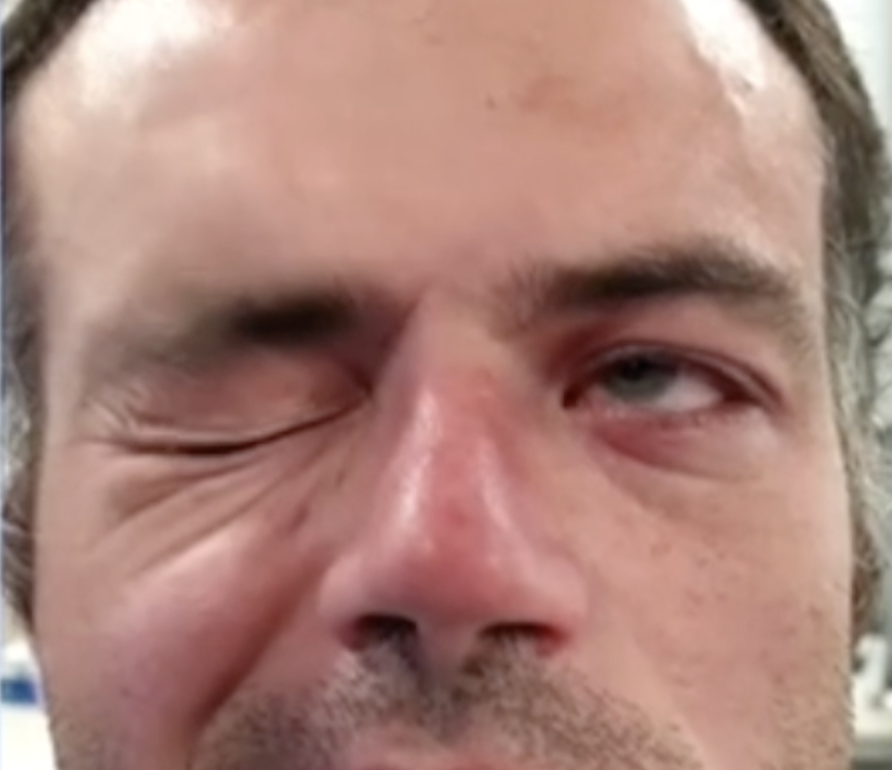
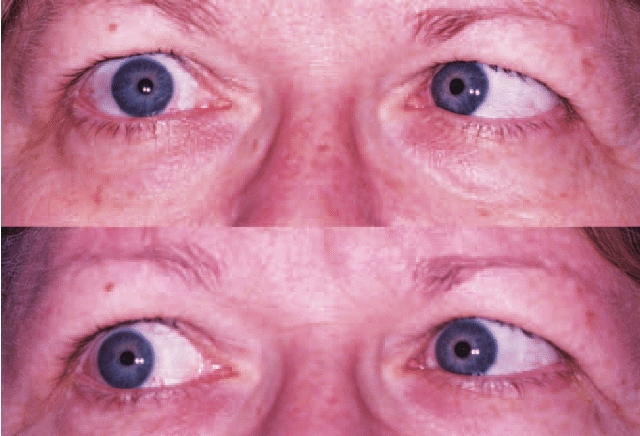
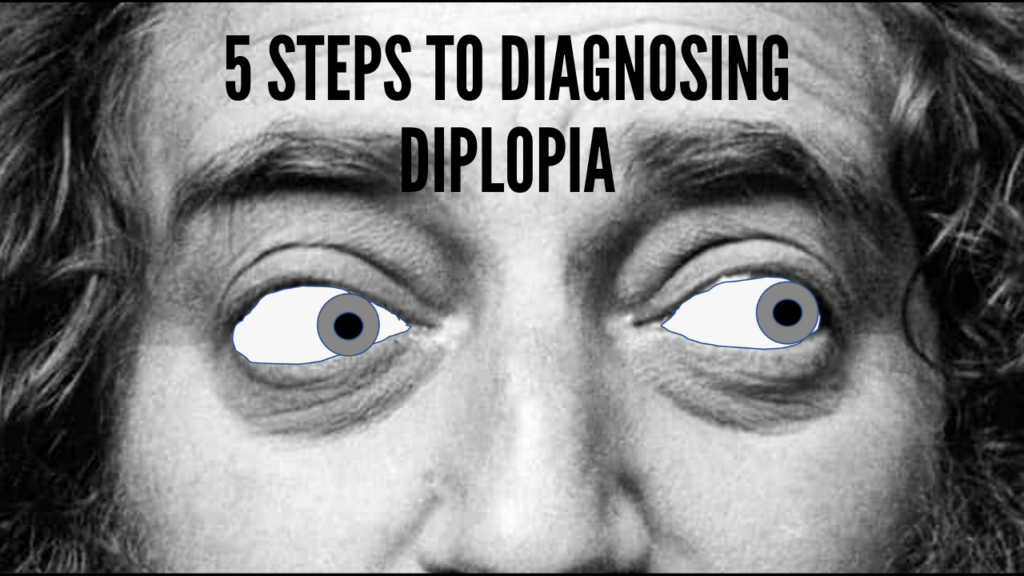
5 Steps to Diagnosing DiplopiaBlogNeurology/NeurosurgeryUncategorized

5 Steps to Diagnosing Diplopia

A patient presents with a complaint of diplopia. "I've been seeing double since last night.…
emergency medicine education
Diagnostic Testing for Suspected SAH in the EDBlogNeurosurgery

Diagnostic Testing for Suspected SAH in the ED
Non-traumatic subarachnoid haemorrhage (SAH) accounts for 5% of acute headache presentations to the emergency department.…
medical education fellowship emergency medicine
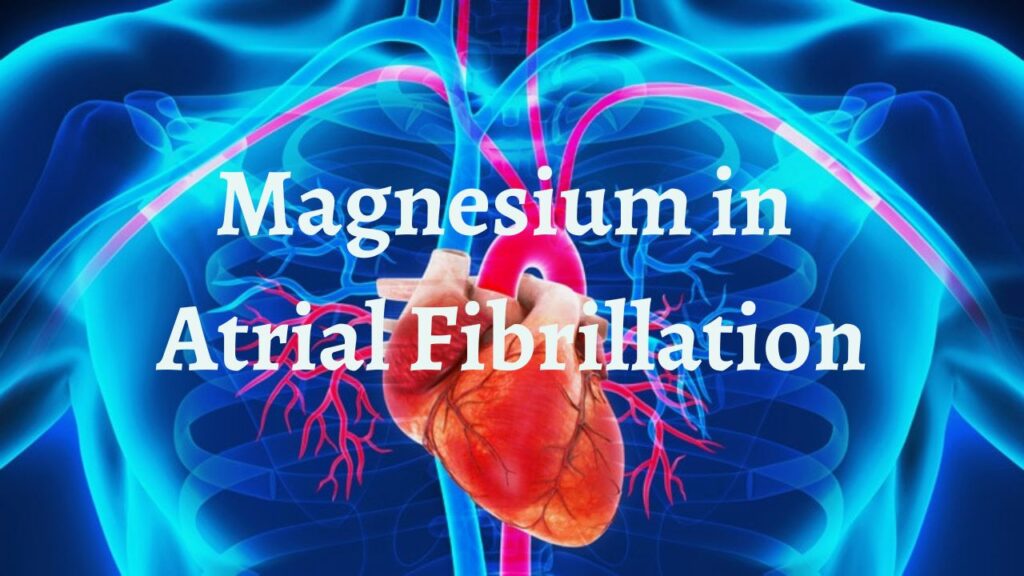
Magnesium in Atrial Fibrillation: Does it Cardiovert ?BlogCardiologyECG Of The Week

Magnesium in Atrial Fibrillation: Does it Cardiovert ?

A 63 yo patient presents to the emergency department at 11pm at night in new…
emergency education
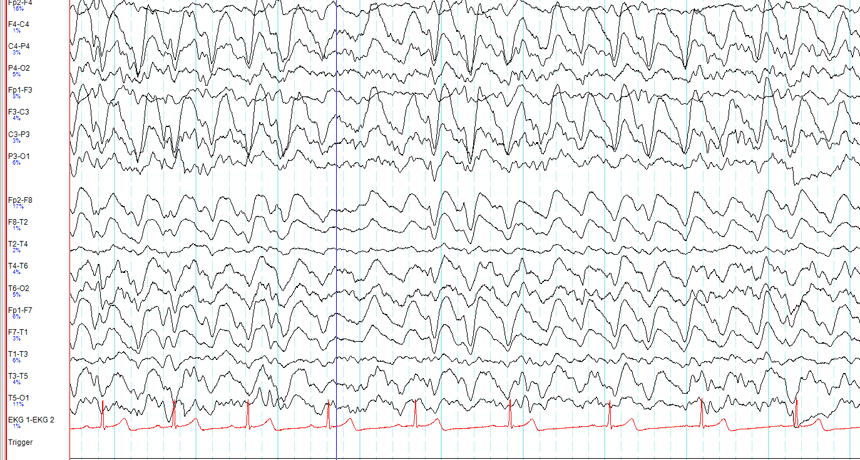
This Child Would Not Stop Seizing: Status EpilepticusBlogNeurology/NeurosurgeryPaediatric ResuscitationPaediatrics

This Child Would Not Stop Seizing: Status Epilepticus
The CASE A 7 yo child is brought in by ambulance after having tonic clonic…
medical education
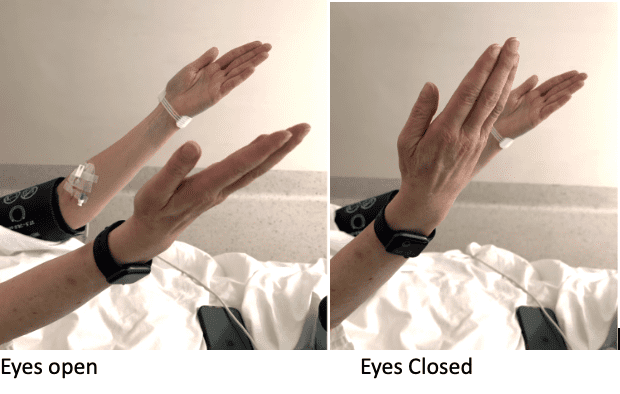
Parietal Arm Drift SignBlogNeurology Featured VideoNeurology/Neurosurgery

Parietal Arm Drift Sign

What does Upward Arm Drift mean? A 50 yo patient presents to the emergency department…
Hoover's Sign and Functional Weakness
Hoover’s Sign and Functional WeaknessBlogClinical ExaminationNeurology/Neurosurgery

Hoover’s Sign and Functional Weakness

A 58 yo patient presents with weakness of the left leg. The patient states that…
Bell's Phenomenon
Bell’s PhenomenonBlogNeurology/Neurosurgery

Bell’s Phenomenon

Bell's Palsy is an ipsilateral Cranial Nerve VII (lower motor neuron) palsy. One of the…
Capnography to guide ventilation in cardiac arrest - Resus
Capnography to guide ventilation in cardiac arrestAirwayBlog

Capnography to guide ventilation in cardiac arrest

The End tidal CO2 (ETCO2), is measured at the end of expiration and used to…
practneurol
Guidelines for the Management of Spontaneous Intracerebral Haemorrhage.BlogNeurology/NeurosurgeryResuscitation

Guidelines for the Management of Spontaneous Intracerebral Haemorrhage.

The 2022 Guidelines for the Management of Spontaneous Intracerebral Haemorrhage have just been released by the American…
Diplopia - Emergency Medicine Education - RESUS
DiplopiaBlogNeurology/Neurosurgery

Diplopia

A lot of people have asked for the Diplopia lecture I gave in Sydney last…
Sudden Hearing Loss - RESUS - Emergency Medicine Education
Sudden Hearing LossBlogENTNeurology/Neurosurgery

Sudden Hearing Loss

A 64 year old male is sent into the Emergency Department by an audiologist with…
Risk Stratification -Sudden Headache
Risk Stratification of Sudden HeadacheBlogNeurology/NeurosurgeryNeurosurgery

Risk Stratification of Sudden Headache
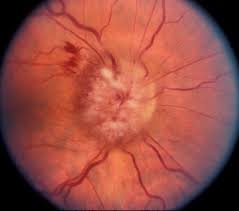
This week we try something different. I interview the lead author of a recent paper…
Idiopathic Intracranial Hypertension
Idiopathic Intracranial HypertensionBlogEENTNeurology/Neurosurgeryophthalmology

Idiopathic Intracranial Hypertension

A 28 year old woman presents to the emergency department with one week of headaches.…
DIPLOPIA
Can you diagnose the cause of DIPLOPIA? Take the test.BlogNeurology/NeurosurgeryUncategorized

Can you diagnose the cause of DIPLOPIA? Take the test.

Read the Blog on Diplopia.
Bell's Palsy - Emergency Medicine Education - RESUS
Bell’s PalsyBlogNeurology/NeurosurgeryUncategorized

Bell’s Palsy

What is Bell's Palsy? It is an ipsilateral Cranial Nerve VII (lower motor neurone) palsy. There…
Trigeminal Neuralgia
Trigeminal NeuralgiaBlogNeurology/Neurosurgery

Trigeminal Neuralgia

An excellent review article on Trigeminal Neuralgia, has just come out in the NEJM(1). Here…
Transient Ischaemic Attack
Transient Ischaemic AttackBlogNeurology/Neurosurgery

Transient Ischaemic Attack

A recent clinical practice article in the NEJM(1) on Transient Ischaemic Attack (TIA) gave a…
Neurological Examination
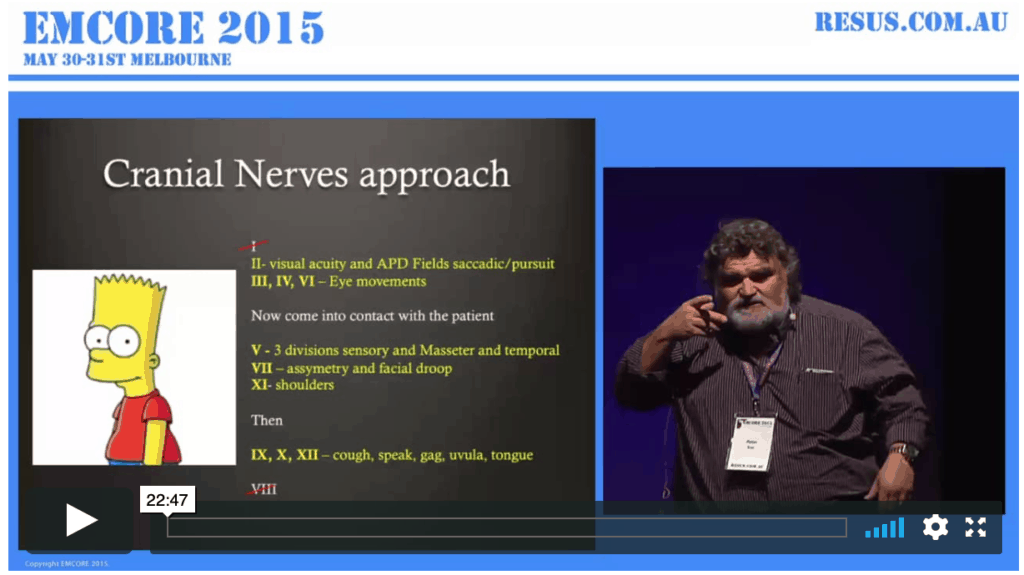
The 3 Minute Neurological ExaminationClinical ExaminationNephrology

The 3 Minute Neurological Examination

The dreaded Neurological Examination. it's always a challenge. However it doesn't have to be. During…
Diplopia
DiplopiaBlogNeurology/Neurosurgery

Diplopia

A patient presenting to the Emergency Department with diplopia can be a diagnostic challenge. Which…
Phenytoin and Levetiracetam: EcLIPSE and ConSEPT
Phenytoin and Levetiracetam: EcLIPSE and ConSEPT trialsBlogNeurology/NeurosurgeryPaediatricsResuscitation

Phenytoin and Levetiracetam: EcLIPSE and ConSEPT trials
There has been a longstanding discussion over which is the best second-line agent to use…
Diplopia - Emergency Medicine Education - Resus
The Patient with DiplopiaBlogNeurology/Neurosurgery

The Patient with Diplopia

A 58 yo male presents to the emergency department with an 8 hour history of…
new DAWN for stroke treatment
A new DAWN for stroke treatmentBlogNeurology/NeurosurgeryNeurosurgery

A new DAWN for stroke treatment

Last week we looked at a case study involving a patient who awoke with stroke…
MCA Stroke management
MCA Stroke management. It’s time for a rethinkBlogNeurology/Neurosurgery

MCA Stroke management. It’s time for a rethink
Dealing with acute major vessel occlusion stroke in a peripheral hospital setting is not what…
Neuro Exam Pearls
Neuro Exam Pearls: Upper limbBlogNeurology/Neurosurgery

Neuro Exam Pearls: Upper limb

I don't know about you, but I've always wanted to be able to perform a…
Temporal Arteritis - Emergency Medicine Education - Resus
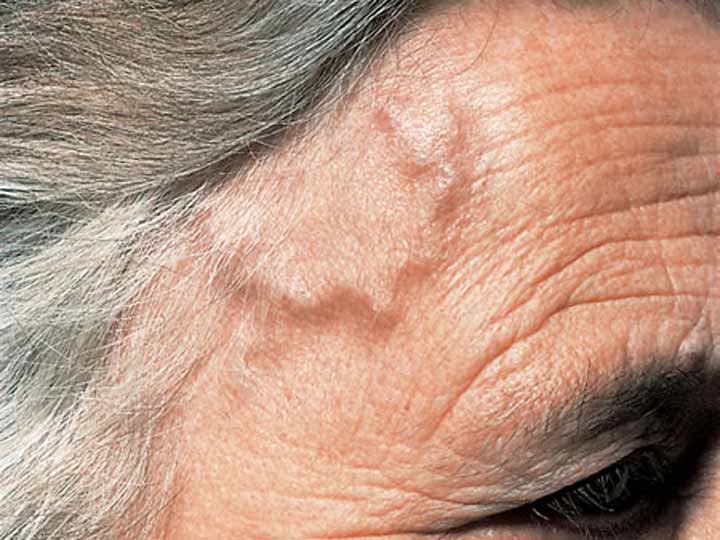
Headache and a near miss case of Temporal ArteritisBlogNeurology/NeurosurgeryResuscitation

Headache and a near miss case of Temporal Arteritis

Temporal Arteritis also known as Giant Cell Arteritis, affects the medium and large arteries and…
Emergency Medicine Education - Resus
BP Control in Intracerebral BleedsNeurology Featured VideoNeurology/NeurosurgeryNeurosurgery

BP Control in Intracerebral Bleeds

A/Prof Peter Kas looks at the topic, of how tightly we must control the blood…
Emergency Medicine Education - Resus
Not SAH: Are We Done?Neurology Featured VideoNeurology/NeurosurgeryNeurosurgery

Not SAH: Are We Done?

A/Prof Peter Kas looks at the patient who has presented with sudden onset of headache…
Status Epilepticus
Status Epilepticus: Get the KetamineNeurology Featured VideoNeurology/NeurosurgeryNeurosurgery

Status Epilepticus: Get the Ketamine

A/Prof Peter Kas looks at the status and refractory as well as super refractory status…
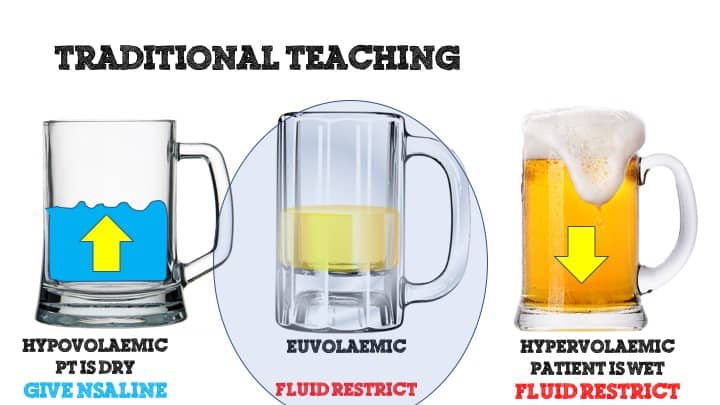
Hyponatremia
HyponatremiaBlogEndocrineResuscitation

Hyponatremia

Hyponatremia is a common electrolyte abnormality. It can be acute or chronic. It can occur…
Status Epilepticus
Status EpilepticusBlogNeurology/NeurosurgeryResuscitation

Status Epilepticus

Convulsive Status Epilepticus accounts for up to 75% of all status epilepticus(1). We recognise it in…
Emergency Medicine Education - Resus
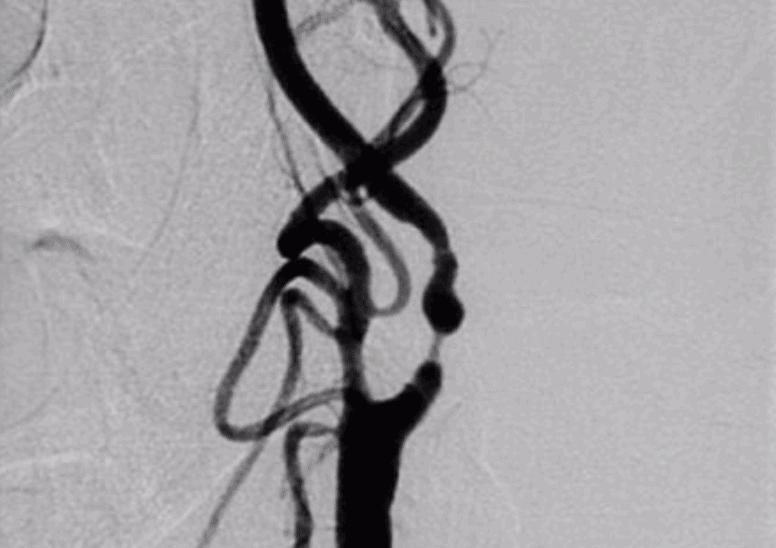
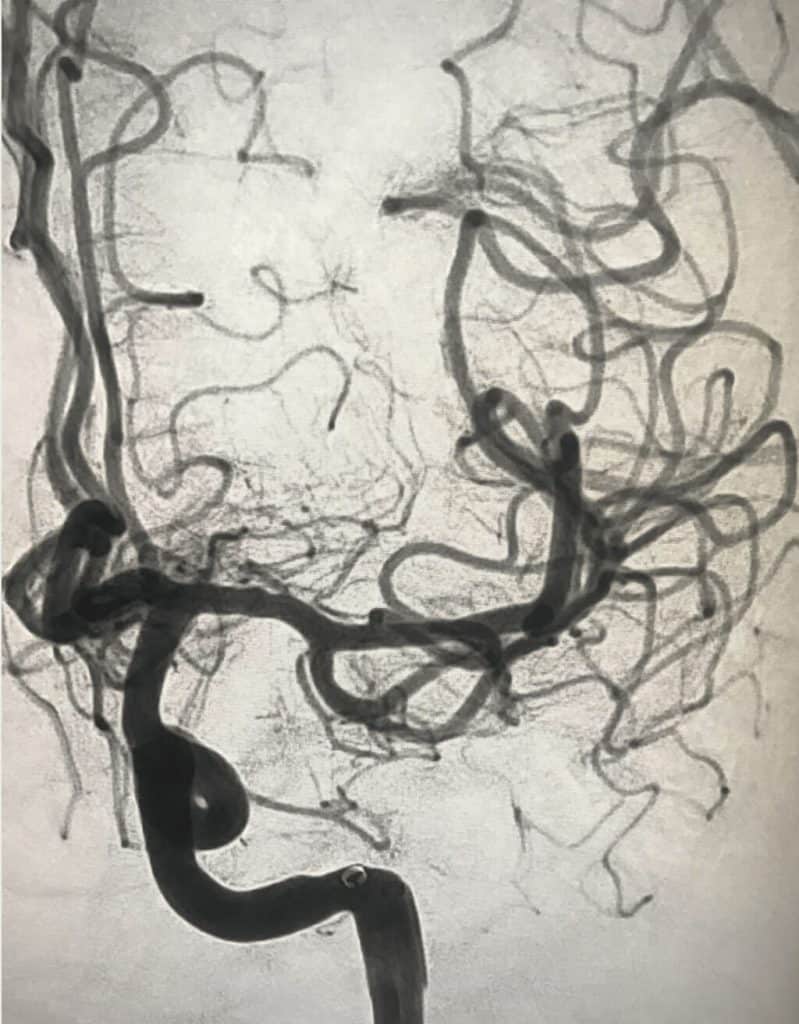
Carotid Artery DissectionBlogNeurology/Neurosurgery

Carotid Artery Dissection

Patients can present to us with a sudden severe headache, also known as a thunderclap…
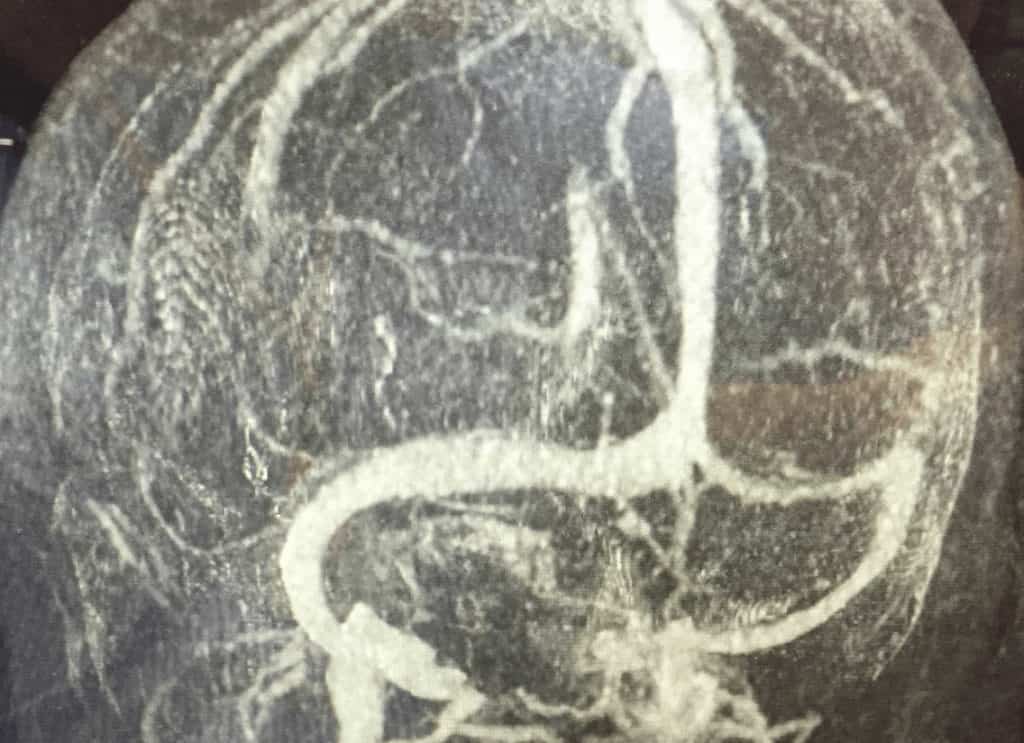
Cerebral Venous Thrombosis
Cerebral Venous ThrombosisBlogNeurology/Neurosurgery

Cerebral Venous Thrombosis

You've just seen a patient with sudden onset of headache. They have presented within 6…
Emergency Medicine Education - Resus
There is no Consensus in the way we investigate potential subarachnoid haemorrhage!BlogNeurology/Neurosurgery

There is no Consensus in the way we investigate potential subarachnoid haemorrhage!

Introduction A 38 year old woman presents to the emergency department, with sudden onset severe…
Emergency Medicine Education - Resus
Airbag Injuries: Think Carotid Artery DissectionBlogTrauma

Airbag Injuries: Think Carotid Artery Dissection

Introduction Airbags have had a significant effect on decreasing fatalities in high speed motor vehicle…
Emergency Medicine Education - Resus
Should We Lower BP in Inra-Cerebral Haemorrhage- ATACH-2BlogNeurology/Neurosurgery

Should We Lower BP in Inra-Cerebral Haemorrhage- ATACH-2

Introduction Two days after speaking at the EMCORE Conference on blood pressure control in intra-cerebral…
Emergency Medicine Education - Resus
The Penumbra Conundrum: Intracranial HaemorrhageBlogNeurology/Neurosurgery

The Penumbra Conundrum: Intracranial Haemorrhage

How to Control Blood Pressure in Intracranial Haemorrhage The scenario is this: A 62 year old…

Upcoming Events:

Subscribe For FREE Regular Updates In Your Inbox.

Get notified on all upcoming Conferences PLUS our Webcasts, Education Newsletters, & more!
  • This field is for validation purposes and should be left unchanged.

Latest Articles

Far far away, behind the word mountains, far from the countries Vokalia and Consonantia, there live the blind texts separated.
Blog

Patients with unexplained Syncope: Does admission help?

The clinical question We often reach the end of an ED syncope patient assessment without…
Blog

Aslanger Pattern of inferior infarction

The Aslanger pattern is a non-contiguous lead pattern identifying inferior STEMI Guidelines require STE in…
Blog

Cardiac Syndrome X

A 48 yo male presents with exertional squeezing central chest pain, with no radiation, of…
Blog

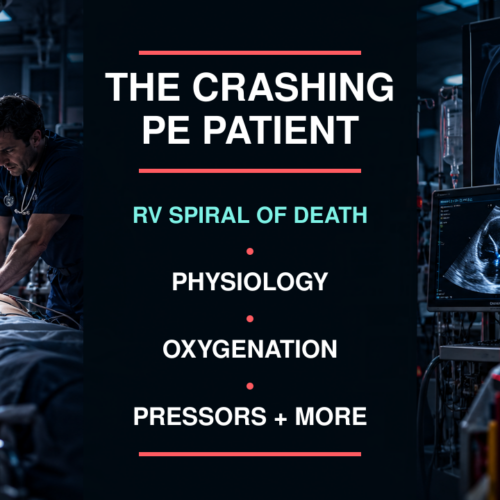
The Crashing PE Patient

The Crashing PE Patient: What Works Acute management of the crashing PE patient involves bridging…