Trauma Resuscitation

Practical emergency medicine

Subscribe For FREE Regular Updates In Your Inbox.

Get notified on all upcoming Conferences PLUS our Webcasts, Education Newsletters, & more!
  • This field is for validation purposes and should be left unchanged.

Filter

Post-Tonsillectomy Haemorrhage
The HALT-IT TrialBlogResuscitation

The HALT-IT Trial

The HALT-IT Trial(1) is an important trial and one we should know well. It looks…
medical education
Traumatic Cardiac ArrestBlogResuscitationTrauma

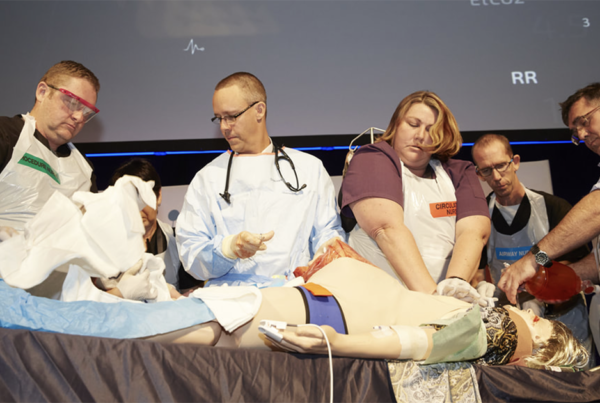
Traumatic Cardiac Arrest

Can you answer these 2 questions? Q 1. Which of these interventions do you think…
emergency medicine education
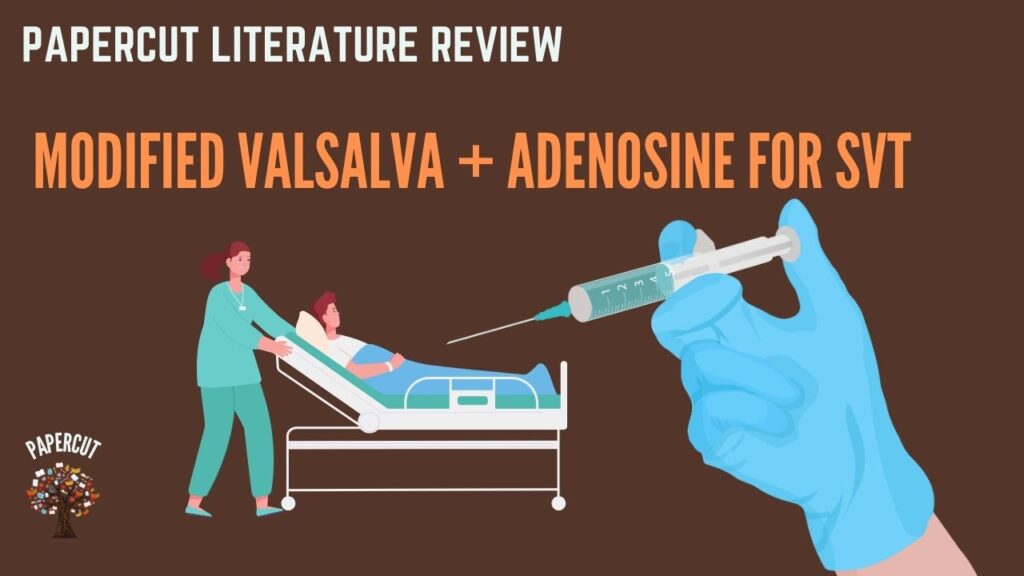
Modified Valsalva plus Adenosine for reverting SVTBlogCardiologySVT

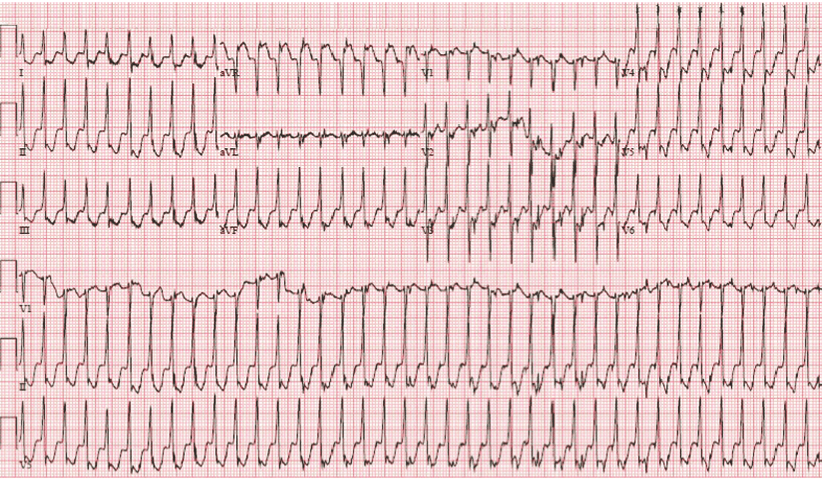
Modified Valsalva plus Adenosine for reverting SVT

Paroxysmal Supraventricular Tachycardia (PSVT), is a non-ischaemic tachyarrhythmia, with which patients, not uncommonly, present to…
Capnography to guide ventilation in cardiac arrest - Resus
Capnography to guide ventilation in cardiac arrestAirwayBlog

Capnography to guide ventilation in cardiac arrest

The End tidal CO2 (ETCO2), is measured at the end of expiration and used to…
SVT - ischaemic arrhythmia - Emergency Medicine Education - RESUS
Is SVT an ischaemic arrhythmia?BlogCardiologyECGECG in 20 secondsECG Of The Week

Is SVT an ischaemic arrhythmia?

We often see patients presenting with SVT. They often have ST changes, so we have…
Tranexamic Acid
Tranexamic Acid: Did We Find Another Use?BlogHaematologyTrauma

Tranexamic Acid: Did We Find Another Use?

Tranexamic Acid: Did we find another Use? So, picture a case. A 45 year old…
Potential traumatic brain injury - Resus
CRASH-3 TrialBlogNeurology/NeurosurgeryTrauma

CRASH-3 Trial

The CRASH-3 Trial has been published. CRASH-2 demonstrated that early administration of tranexamic acid(within 3…
CT scan unstable trauma patients
Unstable Trauma Patient: The Surgeon wants a CTBlogTraumaTrauma Featured VideoTrauma Resuscitation

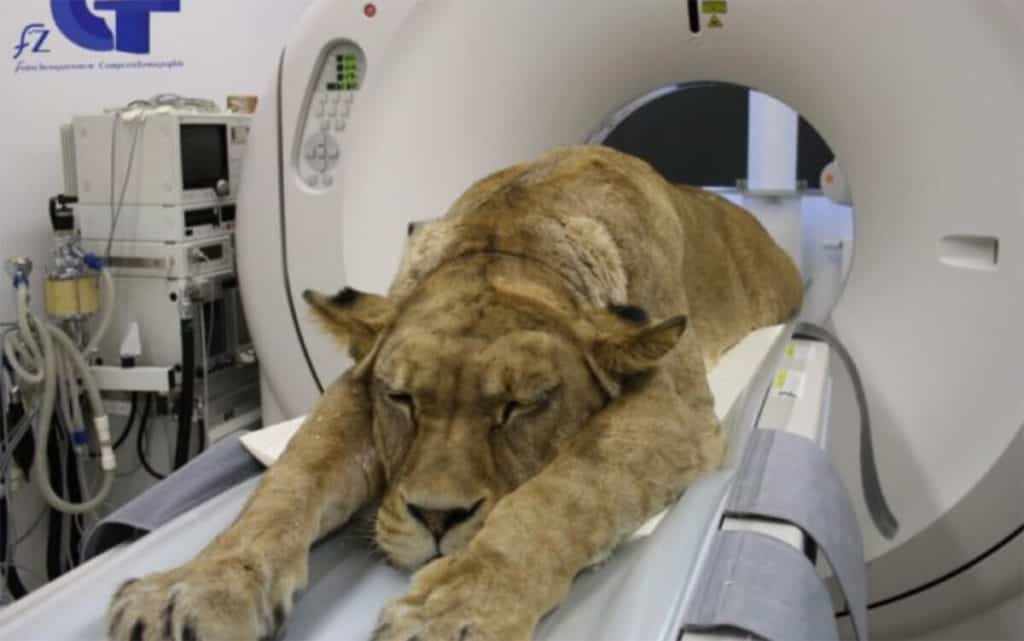
Unstable Trauma Patient: The Surgeon wants a CT

https://player.vimeo.com/video/169954094 Introduction What if we had a tool that allowed identification of haemorrhage source, in…
Emergency Medicine Education - Resus
Important Studies in Emergency MedicineBlogTrauma Resuscitation

Important Studies in Emergency Medicine

Below are some important studies in Emergency Medicine. There certainly are more, however these are…
Emergency Medicine Education - Resus
A New way to perform Valsalva for Supraventricular Tachycardia(SVT)BlogCardiologyCardiovascularResuscitation

A New way to perform Valsalva for Supraventricular Tachycardia(SVT)

Last month, August 25th, the REVERT Trial was published in the LANCET. This study used…
Emergency Medicine Education - Resus
A New Way to Give Adenosine in SVTBlogCardiologyCardiovascularResuscitation

A New Way to Give Adenosine in SVT

I've been speaking and writing about Supra Ventricular Tachycardia(SVT)  a lot recently. Perhaps because of…
Emergency Medicine Education - Resus
Supraventricular Tachycardia(SVT) in InfantsBlogCardiologyCardiovascularPaediatrics

Supraventricular Tachycardia(SVT) in Infants

A mother brings her 7 month old son to the Emergency Department, as he has…

Upcoming Events:

Subscribe For FREE Regular Updates In Your Inbox.

Get notified on all upcoming Conferences PLUS our Webcasts, Education Newsletters, & more!
  • This field is for validation purposes and should be left unchanged.

Latest Articles

Far far away, behind the word mountains, far from the countries Vokalia and Consonantia, there live the blind texts separated.
Blog

Patients with unexplained Syncope: Does admission help?

The clinical question We often reach the end of an ED syncope patient assessment without…
Blog

Aslanger Pattern of inferior infarction

The Aslanger pattern is a non-contiguous lead pattern identifying inferior STEMI Guidelines require STE in…
Blog

Cardiac Syndrome X

A 48 yo male presents with exertional squeezing central chest pain, with no radiation, of…
Blog

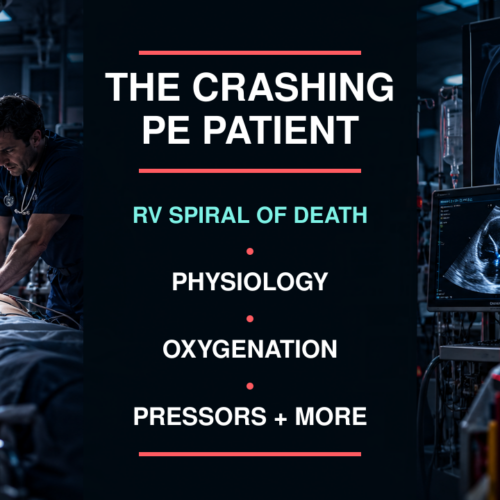
The Crashing PE Patient

The Crashing PE Patient: What Works Acute management of the crashing PE patient involves bridging…