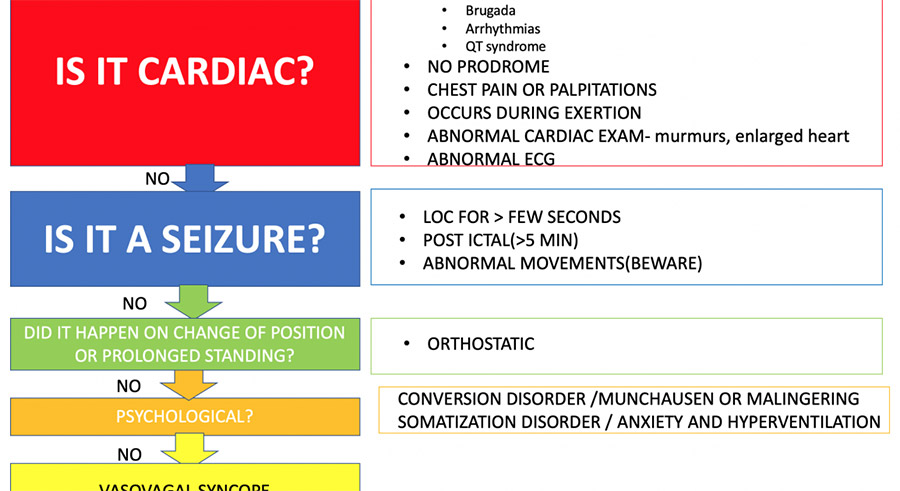
Syncope in Children BlogCardiologyCardiovascularPaediatrics Syncope in Children Syncope is not uncommon, occurring in up to 25% of children. Most causes are benign,…Dr Peter Kas08/11/2024
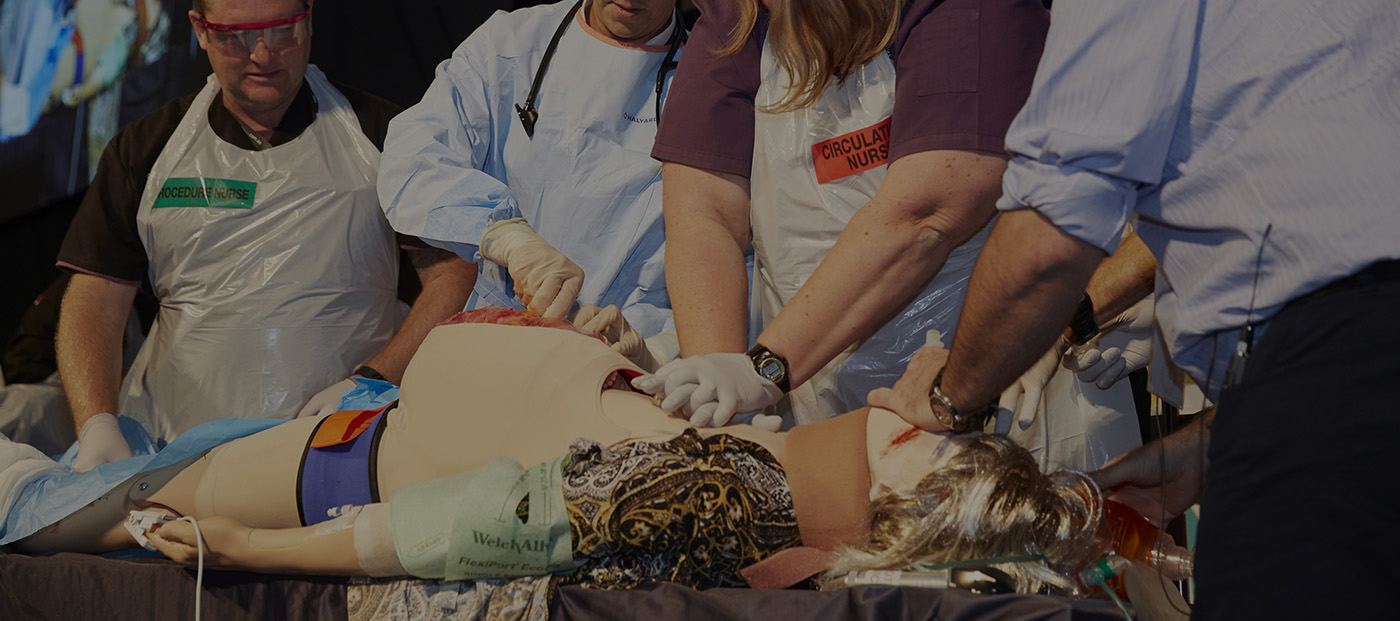
Using Adrenaline the right way in Cardiac Resuscitation BlogCardiac ResuscitationCardiologyCardiovascularResuscitation Using Adrenaline the right way in Cardiac Resuscitation ADRENALINE AND CARDIAC RESUSCITATION How much to use, when to use it and when not…Dr Peter Kas30/07/2025
Paediatric Heart Conditions You MUST KNOW BlogCardiologyCardiovascularPaediatrics Paediatric Heart Conditions You MUST KNOW Congenital heart conditions present at birth, but can also present within the first month of…Dr Peter Kas27/08/2023
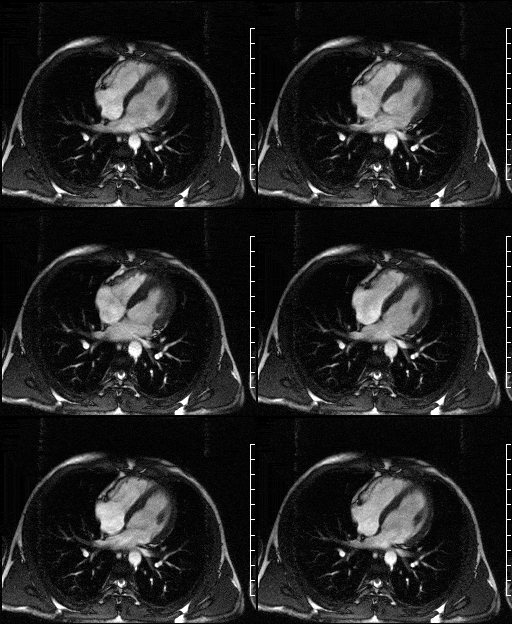
Myocarditis BlogCardiologyCardiovascularECG's I've SeenPaediatricsResuscitation Myocarditis Myocarditis is simply an inflammation of the heart muscle, that can lead to myocardial cell…Dr Peter Kas31/01/2023
Should We Shock Patients in Asystole? BlogCardiac ResuscitationCardiologyCardiovascularResuscitation Should We Shock Patients in Asystole? Should cardiac arrest patients in asystole be shocked? Is there any advantage to this? What do…Dr Peter Kas05/05/2023
Syncope Rules BlogCardiologyCardiovascular Syncope Rules Patients presenting with syncope to the Emergency Department can pose a significant diagnostic challenge. The two…Dr Peter Kas26/01/2023
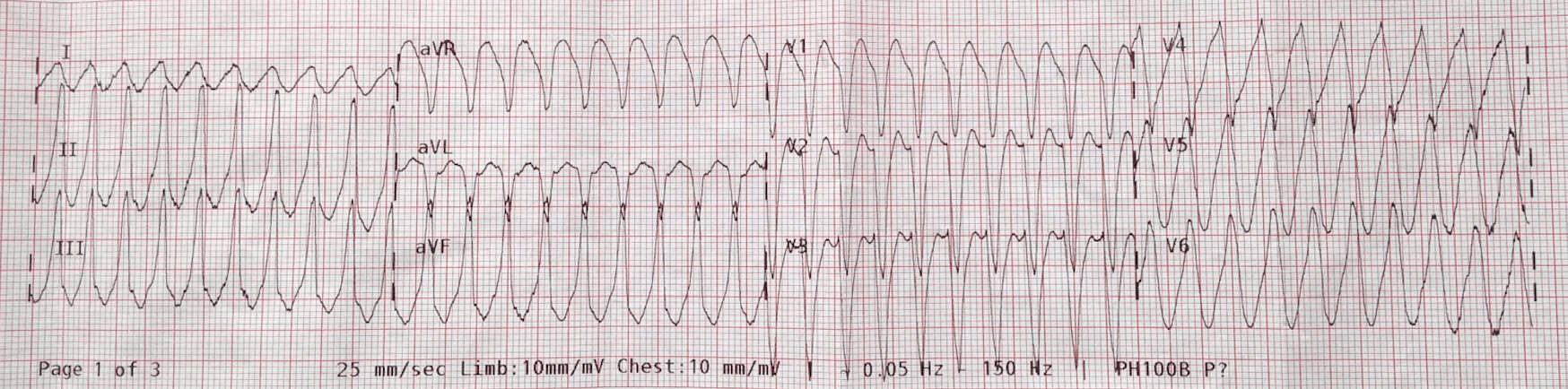
Diagnosing Ventricular Tachycardia in 5 easy steps BlogCardiologyCardiovascular Diagnosing Ventricular Tachycardia in 5 easy steps Here is a simple case of potential ventricular tachycardia(VT) How do you manage this? A…Dr Peter Kas30/07/2025
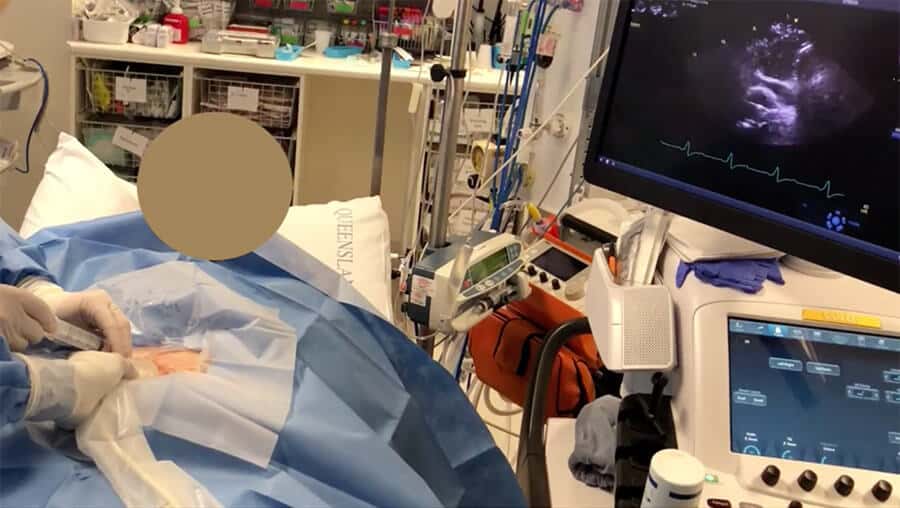
Pericardiocentesis BlogCardiologyCardiovascularResuscitation Pericardiocentesis How to Perform Pericardiocentesis Pericardiocentesis is used to treat symptomatic pericardial effusions and cardiac tamponade.…Dr Peter Kas26/07/2023
The Unstable Atrial Fibrillation Patient BlogCardiologyCardiovascularResuscitation The Unstable Atrial Fibrillation Patient THE CASE A 75 yo man is brought into your small rural ED after 3…Dr Peter Kas18/10/2023
Pulseless Electrical Activity BlogCardiologyCardiovascularResuscitation Pulseless Electrical Activity Pulseless Electrical Activity(PEA) occurs in about 30% of cardiac arrest cases. Given that it's not…Dr Peter Kas27/06/2019
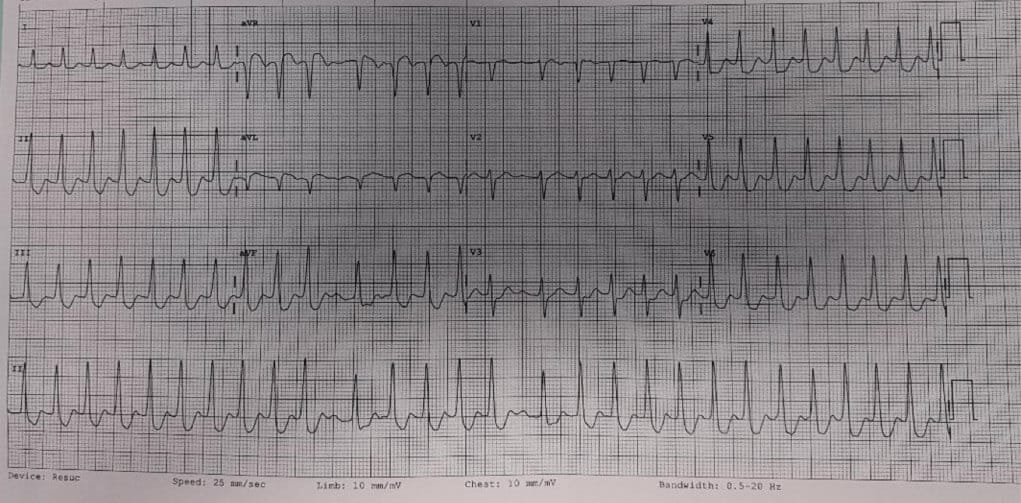
A patient with nausea, vomiting and lethargy BlogCardiologyCardiovascularECG's I've Seen A patient with nausea, vomiting and lethargy (Please note this is a free view of this week's 'own the ecg' blog. Enjoy). A…Dr Peter Kas30/07/2025
Seizure, Syncope and Sudden Collapse BlogCardiologyCardiovascular Seizure, Syncope and Sudden Collapse https://vimeo.com/220458927 Associate Professor Peter Kas presents Seizure, Syncope and Sudden Collapse. The patient with syncope…Dr Peter Kas27/06/2019
Age-Adjusted D-dimer for ruling out pulmonary embolism BlogCardiologyCardiovascular Age-Adjusted D-dimer for ruling out pulmonary embolism We use D-dimer in patients with a low probability of a pulmonary embolism, to rule…Dr Peter Kas27/06/2019
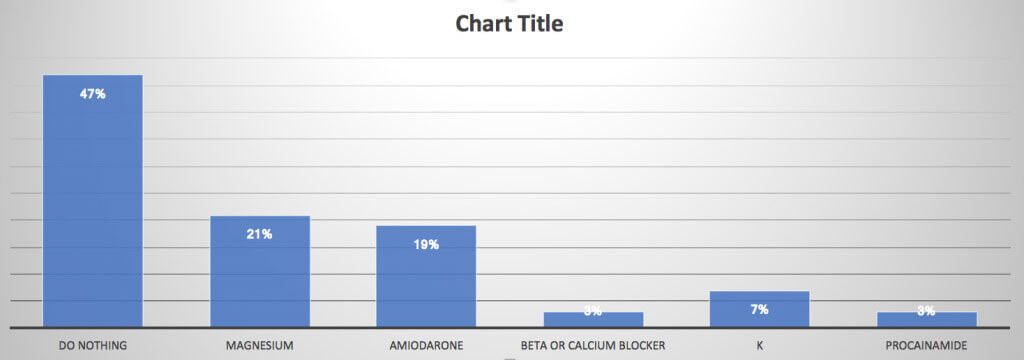
Non-Sustained Ventricular Tachycardia; What Would You Do? BlogCardiologyCardiovascularResuscitation Non-Sustained Ventricular Tachycardia; What Would You Do? A 74 year old man who has presented with seizure-like activity. He was not post ictal.…Dr Peter Kas27/08/2023
VT vs SVT with Aberrancy CardiologyCardiovascularECG's I've SeenResuscitation VT vs SVT with Aberrancy The following ECG was sent to me recently. It's a great case and a situation…Dr Peter Kas22/06/2023
Cardiogenic Shock: Which Vasopressor to use BlogCardiologyCardiovascularECGUncategorized Cardiogenic Shock: Which Vasopressor to use In the patient who presents with cariogenic shock, the cath lab and a stent or…Dr Peter Kas27/06/2019