Practical emergency medicine
Sepsis
Subscribe For FREE Regular Updates In Your Inbox.
Get notified on all upcoming Conferences PLUS our Webcasts, Education Newsletters, & more!
Filter
Allagitated patientappendicitisbowel obstructionexcited delirium syndromefailure to thriveFeverfever in the elderlyfever measurementfluids in sepsisintussusceptionkawasakilactic acidosismanaging stimulant overdoseMetformin toxicitynecrotising enterocolitisnon-accidental injurypaediatric feverpsychoactive substancesrenal failuresepsisstimulantstet spells

Intussusception
Intussusception
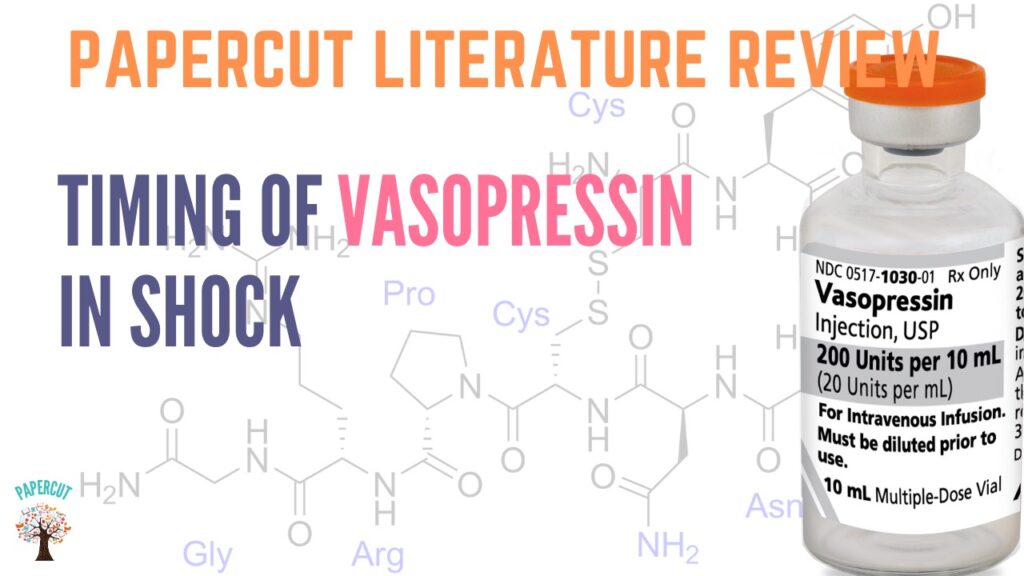
Timing of Vasopressin initiation in septic shock
Timing of Vasopressin initiation in septic shock
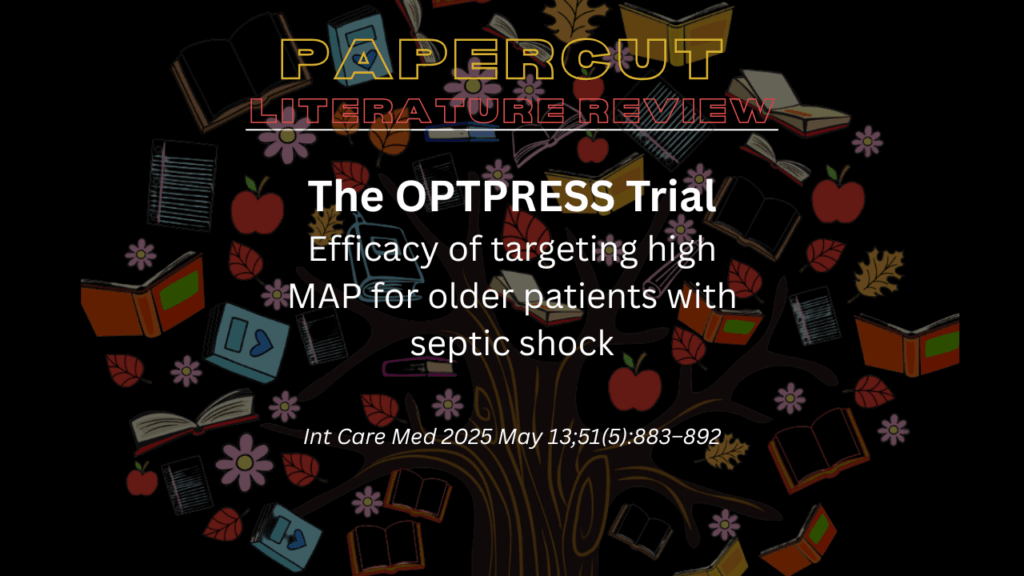
Should we target a higher MAP in Septic Shock?
Should we target a higher MAP in Septic Shock?
The ICARUS-ED Trial
The ICARUS-ED Trial

Inotropes and Vasopressors in Shock: Which one would you use?
Inotropes and Vasopressors in Shock: Which one would you use?
Does Fluid Restriction in Septic Shock result in Better Outcomes?
Does Fluid Restriction in Septic Shock result in Better Outcomes?

Inotropes and Vasopressors: Which one would you use?
Inotropes and Vasopressors: Which one would you use?

Ketamine for Control of the Agitated Patient
Ketamine for Control of the Agitated Patient

Fever in the ED
Fever in the ED
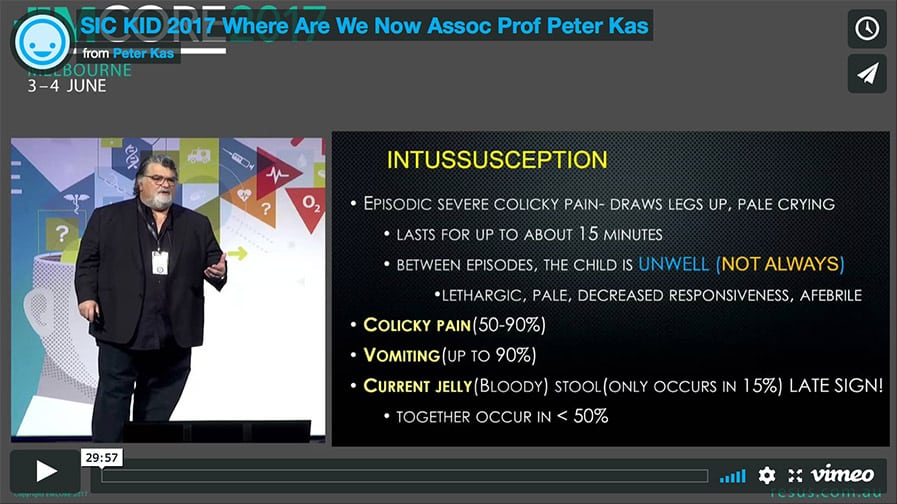
The SIC KID
The SIC KID

Treating Patients on Stimulants
Treating Patients on Stimulants
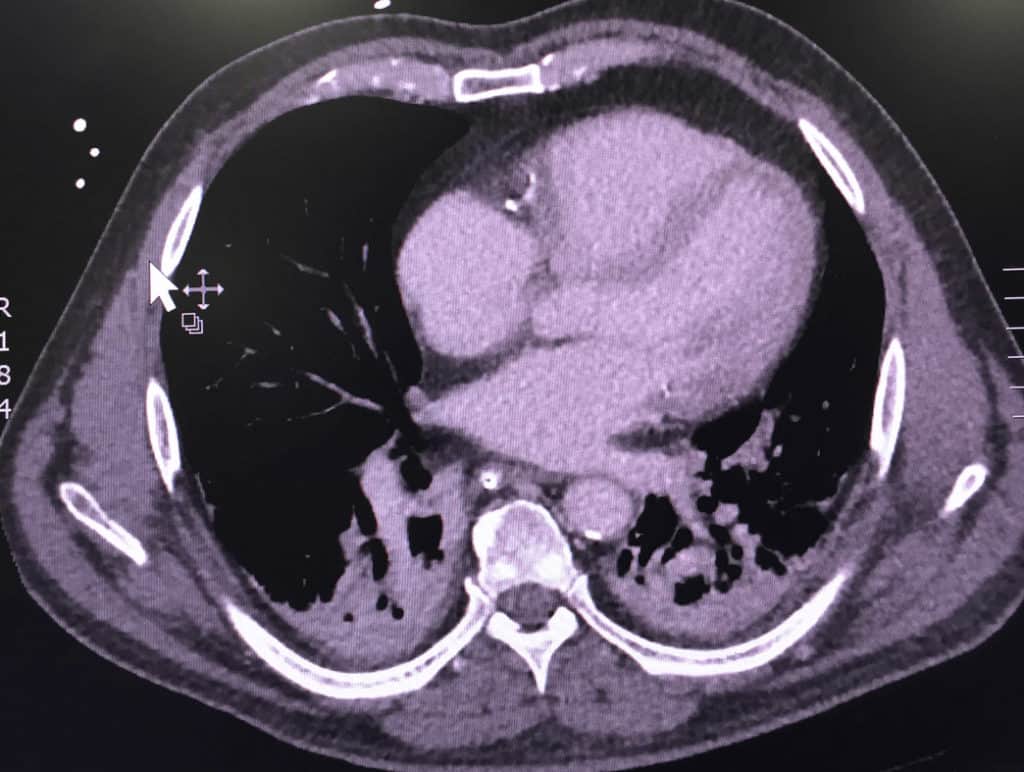
Severe Acidosis, Renal Failure and Metformin Toxicity
Severe Acidosis, Renal Failure and Metformin Toxicity
Upcoming Events:






Subscribe For FREE Regular Updates In Your Inbox.
Get notified on all upcoming Conferences PLUS our Webcasts, Education Newsletters, & more!
Latest Articles
Far far away, behind the word mountains, far from the countries Vokalia and Consonantia, there live the blind texts separated.

A new definition of Myocardial Infarction: What’s Changed
The Fifth Universal Definition of Myocardial Infarction makes a major change to the way we…

Should we anticoagulate Intermediate risk patients with AF?
Should We Anticoagulate Intermediate-Risk AF? Atrial fibrillation clearly increases stroke risk, but what should we…